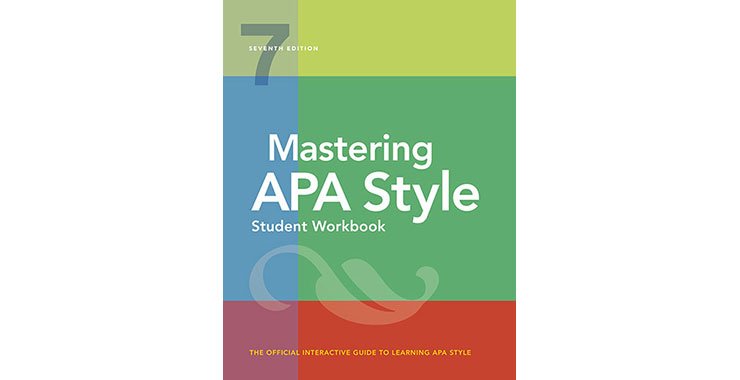
Navigating the intricacies of academic writing can feel like learning a new language, especially when it comes to formatting and citation. For countless students, faculty, and researchers, Mastering APA Style Fundamentals (7th Ed.) is not just an aspiration but a necessity for clear, credible scholarly communication. The good news? You don't have to decipher the dense rulebooks alone. The official Mastering APA Style Student Workbook, Seventh Edition offers an interactive, guided path to truly grasp and apply the core principles of APA Style.
This isn't just about memorizing commas and italics; it's about developing the foundational skills that empower you to write with authority, avoid bias, and correctly attribute sources. Whether you're a first-year undergraduate staring down your first research paper or a seasoned graduate student refining your dissertation, understanding the nuances of APA Style is a cornerstone of academic integrity and effective communication.
At a Glance: What You'll Discover
- Why APA Style Matters: Beyond mere compliance, APA fosters clarity and credibility.
- Introducing the Official Workbook: Your interactive guide to the 7th Edition fundamentals.
- Core Modules Unpacked: A deep dive into the nine key areas covered by the workbook.
- Learning That Sticks: How interactive questions and quizzes reinforce understanding.
- Benefits for Every Learner: Tailored support for independent study and classroom use.
- Mastering Citations & References: Demystifying the heart of APA Style.
- Beyond the Basics: Embracing bias-free language and ethical writing.
- Getting Started & Maximizing Your Learning: Practical steps and tips.
Why APA Style Is More Than Just Rules
For many, APA Style feels like a rigid set of rules designed to make life difficult. In reality, it’s a robust framework developed by the American Psychological Association to standardize scientific writing, ensuring clarity, consistency, and ethical communication, particularly within the social sciences, behavioral sciences, and health sciences. It streamlines the presentation of complex information, allowing readers to focus on your content rather than being distracted by inconsistent formatting.
Imagine trying to follow a research argument when every author uses a different method for citing sources or structuring their paper. Chaos! APA Style brings order to this potential chaos, enabling readers to quickly locate key information, understand the methodology, and assess the credibility of sources. It's a commitment to shared academic standards, making your work not just presentable, but truly professional.
Your Interactive Guide: The Mastering APA Style Student Workbook
Forget dry textbooks. The Mastering APA Style Student Workbook, Seventh Edition is an all-digital, interactive learning experience crafted by APA Style experts. It's designed to demystify APA Style through active engagement, moving you beyond passive reading to hands-on application. Available on VitalSource’s Acrobatiq courseware platform, this isn't just a supplemental resource; it's a comprehensive, guided journey through the essentials of the 7th Edition.
This workbook bundles the wisdom of the Publication Manual and the Concise Guide to APA Style into a format that promotes genuine understanding and retention. It tackles common pain points, from structuring a student paper to accurately citing complex sources, making it an invaluable tool for anyone looking to truly master the APA Style Guide for Scholarly Writing.
Unpacking the Core Modules: Your Learning Journey
The workbook is strategically organized into nine modules, mirroring the structure of the official APA Style manuals. This thoughtful progression ensures you build knowledge incrementally, mastering one concept before moving to the next.
- Student Paper Types, Elements, and Format: This module lays the groundwork, guiding you through the components of a typical student paper, from the title page to appendices, and how to format them correctly. Understanding these initial structural elements is crucial for setting up your paper properly from the start.
- Writing Style and Grammar: Good writing transcends style guides. Here, you'll refine your prose, focusing on clarity, conciseness, and precision – hallmarks of effective scholarly communication. It addresses common grammatical pitfalls that can undermine your credibility.
- Bias-Free Language: A cornerstone of the 7th Edition, this module emphasizes inclusive and respectful language. You'll learn how to avoid biases related to age, disability, gender, racial and ethnic identity, sexual orientation, socioeconomic status, and intersectionality. This isn't just about compliance; it's about ethical and empathetic communication.
- Punctuation, Lists, and Italics: The devil is often in the details. This section covers the precise application of punctuation, how to format various types of lists, and when to use italics for emphasis or specific terms. Precision here contributes significantly to the readability of your work.
- Spelling, Capitalization, and Abbreviations: Consistency in these areas is key. This module addresses common spelling challenges in academic writing, correct capitalization rules, and the appropriate use and definition of abbreviations.
- Numbers and Statistics: Presenting quantitative data accurately and clearly is vital in many disciplines. You'll learn how to properly format numbers, report statistical findings, and interpret statistical terms according to APA guidelines.
- Tables and Figures: Visual aids can greatly enhance your paper, but they must be presented correctly. This module walks you through the proper construction, labeling, and referencing of tables and figures, ensuring they complement your text effectively. When thinking about APA Style Formatting and Structure, tables and figures are often overlooked but essential components.
- Works Credited in Text: This is where you learn the art of in-text citation – how to correctly reference sources within your narrative, whether directly quoting, paraphrasing, or summarizing. It’s about seamlessly integrating evidence into your arguments while giving proper credit.
- Reference List: The grand finale! This module covers the comprehensive construction of your reference list, detailing how to format entries for books, journal articles, websites, and a myriad of other source types. Mastering this is paramount for academic integrity and reader access to your sources. This is where many students often need the most help, and tools like an APA citation generator for websites can be incredibly useful to get started, but understanding the underlying rules from the workbook is what truly builds mastery.
Learning That Sticks: How the Workbook Drives Mastery
What makes this workbook so effective isn't just the content, but how it's delivered. The interactive platform goes far beyond traditional methods, offering a dynamic learning environment:
- Over 1,000 Interactive Questions: These aren't just multiple-choice. The workbook employs 12 different question types, including image hotspots, drag-and-drop, fill-in-the-blank, and text input, catering to diverse learning styles. This variety keeps you engaged and tests your understanding in different ways.
- Scaffolded Learning with Expert Guidance: Questions are written by APA Style experts, providing structured learning that gradually builds complexity. Hints for every question lead directly to relevant sections of the style manual (linked in bundled versions), offering support precisely when you need it.
- Real-Time Feedback & Unlimited Attempts: This "no-pressure" environment is a game-changer. You receive immediate feedback on your answers, allowing you to learn from mistakes instantly. Unlimited attempts mean you can practice until you genuinely master a concept without fear of penalty. This iterative process is crucial for deep learning.
- Learning Objectives: Each page starts with clear learning objectives, helping you understand what you're expected to gain from the section. This intentional design keeps your learning focused and purposeful.
- Glossary of Key Terms: A readily available glossary ensures you're always up to speed on the specialized terminology of scholarly writing and APA Style.
- 28 Graded Summative Quizzes: After completing each section and module, comprehensive quizzes assess your overall understanding. These aren't just for practice; they provide concrete measurements of your progress.
- "Before You Continue" Activities: These self-evaluation checkpoints allow you to gauge your learning after each module, offering an estimate of your performance and identifying areas that might need further review. This self-awareness is vital for effective study.
This robust system creates an environment where you are actively constructing your knowledge, receiving immediate validation, and getting targeted support, transforming the often-daunting task of learning APA Style into an achievable and even enjoyable process. It's an excellent resource for developing APA research paper writing tips through guided practice.
Benefits for Every Learner: Independent Study or Classroom Use
The Mastering APA Style Student Workbook is designed with flexibility in mind, making it a powerful tool whether you're learning on your own or as part of a structured course.
For Independent Learners:
If you're self-teaching or just need a refresher, the workbook provides a structured, step-by-step path to mastery. You can progress at your own pace, revisit challenging topics as often as needed, and benefit from the extensive practice questions and immediate feedback. The ability to try a sample of the workbook for free allows you to experience this innovative learning approach firsthand before committing.
For Instructors and Classrooms:
The workbook offers significant advantages for course adoption. It integrates with major learning management systems (Canvas, Blackboard, D2L, Moodle), streamlining administrative tasks. The Learning Dashboard provides rich data analytics, offering instructors actionable insights into individual and course-level performance. This means instructors can measure student engagement, identify common sticking points, and provide targeted feedback and support, making the learning experience more efficient and effective for everyone. It's an excellent way to ensure students are truly internalizing APA referencing and citation rules and other critical guidelines.
Mastering Citations & References: The Heart of APA Style
At the core of APA Style lies its meticulous approach to citing sources. This isn't just a technicality; it's a fundamental aspect of academic ethics, ensuring you give credit where credit is due and allow your readers to trace your intellectual lineage. The workbook dedicates significant attention to this area, covering both in-text citations and the comprehensive reference list.
Many students struggle with the nuances of different source types—a book chapter versus a journal article, a website versus a conference presentation. The workbook breaks down these complexities, providing clear guidance and practice for each scenario. You'll learn:
- When to cite: Understanding when information needs attribution, whether it's a direct quote, paraphrase, or summary.
- How to cite in-text: Mastering parenthetical and narrative citations, including authors, dates, and page numbers.
- Constructing the reference list: Learning the specific elements (author, date, title, source) and their formatting for various material types.
- Dealing with tricky sources: Guidance on sources with multiple authors, no authors, corporate authors, or unusual publication formats.
By repeatedly practicing these elements with real-time feedback, you build muscle memory and confidence, transforming citation from a daunting task into a practiced skill. This hands-on approach ensures you develop a strong foundation in APA writing style for academic papers, especially in the critical area of source attribution.
Beyond the Basics: Embracing Bias-Free Language and Ethical Writing
The 7th Edition of APA Style places a strong emphasis on inclusive, bias-free language. This evolution reflects a broader societal understanding of the impact of language and the importance of representing all individuals respectfully. The workbook dedicates a crucial module to this topic, teaching you how to:
- Avoid gender-biased language: Moving beyond generic "he" or "man" to gender-neutral terms.
- Use person-first language: Emphasizing the individual, not their condition (e.g., "people with disabilities" instead of "disabled people").
- Be sensitive to race, ethnicity, and other identities: Choosing respectful and accurate descriptors.
- Address intersectionality: Recognizing that individuals hold multiple social identities and experiences.
This aspect of the workbook elevates your understanding of APA Style beyond mere formatting, guiding you towards a more ethical and thoughtful approach to scholarly communication. It's about writing not just correctly, but also responsibly.
Common Misconceptions About APA Style
Let's clear up a few common myths that often trip up new learners:
- Myth 1: APA Style is only for psychology. While it originated there, APA is widely adopted across the social sciences, education, nursing, and many other fields for its emphasis on empirical research and clear reporting.
- Myth 2: You just need to know how to cite. While citations are crucial, APA Style covers the entire manuscript, from paper formatting and headings to tone, grammar, and bias-free language.
- Myth 3: My word processor handles it all. While tools can help, relying solely on automated features often leads to errors. Understanding the why behind the rules is essential for identifying and correcting mistakes. The workbook teaches this underlying logic.
- Myth 4: The 7th Edition is radically different from the 6th. While there are significant updates (like student paper formatting, bias-free language, and streamlined reference elements), many core principles remain. The workbook specifically focuses on the 7th Edition, ensuring you learn the most current guidelines.
Getting Started & Maximizing Your Learning
Ready to truly master APA Style? Here's how to make the most of the Mastering APA Style Student Workbook:
- Access the Workbook: If your course has adopted it, you'll receive access through your institution's LMS. Otherwise, you can purchase it directly from APA Style or VitalSource. Remember, it's an all-digital platform.
- Try the Free Sample: If you're curious, explore the free sample workbook first. It includes one page from each of the nine modules, giving you a taste of the interactive question types and overall learning experience.
- Set Aside Dedicated Time: Treat the workbook like a guided course. Dedicate regular, focused blocks of time to work through the modules.
- Utilize All Features: Don't skip the hints, read the real-time feedback carefully, and make use of the unlimited attempts. These features are designed to enhance your learning, not just test it.
- Connect to Your Writing: As you learn, apply the principles directly to your current academic papers. The best way to solidify your understanding is to put it into practice immediately.
- Refer to the Style Manuals (if bundled): If you have access to the Publication Manual or Concise Guide, use the linked hints in the workbook to dive deeper into specific rules as needed. The workbook provides the practical application, while the manuals offer the definitive reference.
By embracing this interactive approach, you'll move beyond simply "doing APA" to truly "understanding APA." This shift empowers you not just to comply with formatting rules, but to become a more effective, credible, and ethical academic writer, ready to contribute meaningfully to your field.