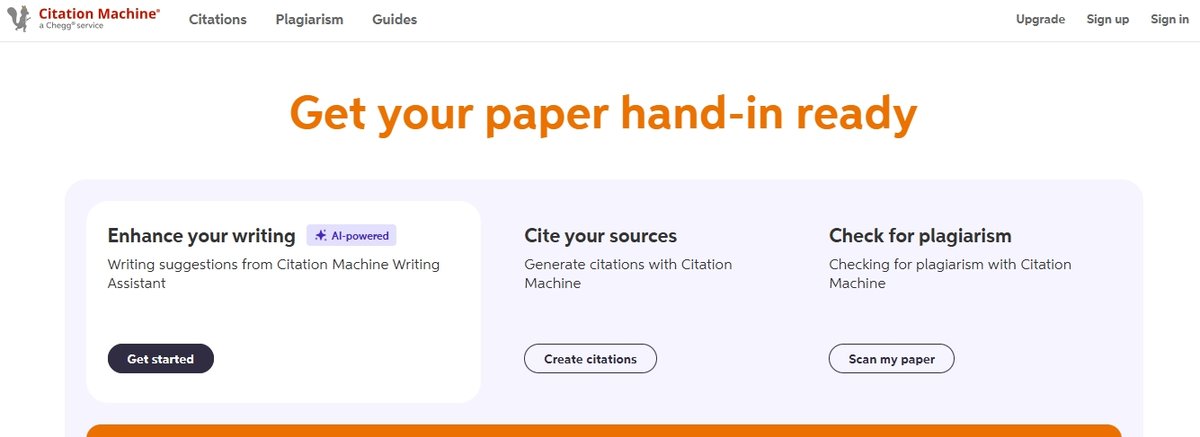
In the demanding world of academia, where precision is paramount and deadlines are relentless, the seemingly minor task of managing citations can become a colossal drain on your time and a major obstacle to publication. Yet, integrating citation management into your academic workflow isn't just about avoiding last-minute panic; it's a strategic move that significantly accelerates your publishing timeline, enhances the credibility of your work, and frees you to focus on the intellectual heavy lifting. Imagine a research process where your references practically organize themselves, where bibliographies generate with a click, and where formatting errors become a relic of the past. That's not a fantasy; it's the reality smart scholars are building today.
At a Glance: Key Takeaways for Smarter Citation Management
- Boost Publication Speed: Automated citation tools drastically reduce the time spent on formatting and error correction.
- Enhance Credibility: Consistent, accurate citations are the bedrock of academic integrity and strengthen your arguments.
- Prevent Rejections: Up to 80% of journal rejections stem from formatting and citation errors – avoid being one of them.
- Centralize Your Research: Build a robust digital library of sources, accessible anywhere, anytime.
- Collaborate Seamlessly: Share reference libraries with co-authors, ensuring everyone works from the same accurate sources.
- Future-Proof Your Work: Tools are evolving with AI, making citation management even smarter and more integrated.
The Unseen Burden: Why Citation Errors Haunt Academic Publishing
You've poured countless hours into your research, meticulously crafted your arguments, and polished your prose to a gleaming finish. But then comes the bibliography. For many, it's a tedious, error-prone chore—a final hurdle that can feel insurmountable. This isn't just about aesthetics; it's about academic survival. Nearly 80% of rejections in top academic journals cite formatting and citation errors as a primary reason. Think about that: a brilliant piece of research, meticulously executed, can be sidelined not because of its content, but because of a misplaced comma or an inconsistent style.
Academic credibility hinges on properly attributed sources. Every claim, every piece of evidence, every connection to existing scholarship must be verifiable. Without a robust system, managing references becomes a time sink, an invitation for missed references, inconsistent styles, and the inevitable last-minute scramble to fix issues that, frankly, shouldn't exist. This manual drudgery not only wastes valuable research time but also introduces stress and, critically, can delay your work reaching its intended audience.
Beyond Manual Labor: The Power of Reference Management Systems
Enter reference management tools. These aren't just fancy databases; they are sophisticated digital assistants designed to automate the repetitive, error-prone tasks associated with citations and bibliographies. They ensure that every source you consult is properly recorded and consistently formatted, whether you're working in APA, MLA, Chicago, Harvard, or a highly specific journal style.
In essence, these tools act as your centralized digital library, a meticulous curator of your intellectual lineage. They free you from the mundane, allowing you to focus on the substance of your arguments and the impact of your findings. By streamlining reference processes, you significantly enhance accuracy and consistency, translating directly into higher quality manuscripts and faster publication.
Your Digital Research Assistant: Key Features to Look For
When considering integrating a citation management system into your workflow, understanding its core capabilities is crucial. These aren't just nice-to-haves; they're essential functionalities that will transform your research process:
- Organizing Your Sources with Surgical Precision:
- Digital Library: Think of it as a personal, intelligent archive for all your research materials—articles, books, web pages, reports.
- Categorization: Tag, keyword, or categorize sources by author, topic, project, or even your own custom labels. This makes retrieval lightning-fast.
- Attached Files & Notes: Most tools allow you to attach PDFs directly, highlight passages, and add your own annotations and notes, keeping everything contextually linked.
- Effortless Citation Generation, Every Time:
- In-text Citations: Automatically insert accurate in-text citations as you write, dynamically updating as you add or remove sources.
- Bibliography Automation: With a single click, generate a complete bibliography or reference list in hundreds of academic styles. No more manual formatting headaches!
- Style Adaptability: Need to switch from APA to Chicago for a different journal? The tool re-formats your entire document in seconds, including specific details like using an APA citation generator for websites for online sources.
- Seamless Integration Across Your Digital Ecosystem:
- Writing Platform Plugins: Connects directly with Microsoft Word, Google Docs (via browser extensions), and even LaTeX (via
.bibfile export) to insert citations on the fly. - Research Database Hooks: Import references directly from online databases like PubMed, Google Scholar, JSTOR, and thousands of others with a single click, capturing all bibliographic details.
- Collaboration Reinvented for Multi-Author Projects:
- Shared Libraries: For group projects, create centralized, shared libraries accessible to all team members.
- Real-time Updates: As one team member adds or updates a source, everyone sees the change instantly.
- Access Control & Comments: Manage who can edit, and add notes or comments to specific references for team discussion, preventing duplication and ensuring citation integrity.
- Synchronization: Your Library, Everywhere You Are:
- Cloud-Based Storage: Your entire reference library is stored securely in the cloud.
- Cross-Device Access: Access and manage your sources from your desktop, laptop, tablet, or smartphone.
- Consistent Updates: Edits made on one device sync across all, ensuring you always have the most current version of your library.
Choosing Your Arsenal: Popular Tools & Their Superpowers
The market offers several robust citation management tools, each with its unique strengths. Understanding these differences can help you select the best fit for your academic journey.
- Zotero: An open-source powerhouse with over 2 million users. It's highly flexible, integrates well with web browsers for one-click importing, and offers excellent PDF management. Its active community means frequent updates and robust support. Ideal for researchers who value flexibility and community-driven development.
- Mendeley: Boasting over 6 million researchers, Mendeley combines reference management with a social network aspect. It's strong for discovering related research and offers good PDF annotation features. Many find its interface intuitive for organizing and reading papers.
- EndNote: A long-standing industry leader, EndNote is known for its extensive library of output styles, powerful search features, and robust integration with Word. It's often preferred by institutions and large research groups due to its comprehensive capabilities and strong support, especially for publisher-specific requirements.
- Inkwell: A newer player, Inkwell integrates citation management directly into the writing environment. Its real-time bibliography and index updates are game-changers for collaborative manuscript drafting, ensuring consistency even as multiple authors make changes. This tool promises to keep your citations, bibliography, and indexing perfectly in sync, a significant advantage for complex documents.
A Recommended Integrated Workflow
For truly advanced users, a layered approach can maximize efficiency:
- Rapid Intake & Shared Libraries: Start with Zotero or Mendeley for quickly capturing references from online databases and managing shared libraries in collaborative projects. Their ease of use for initial intake is unparalleled.
- Publisher-Specific Output: When preparing your manuscript for submission, EndNote shines. Its vast array of journal-specific styles and ability to fine-tune formatting can be invaluable for meeting exacting publisher requirements.
- Real-time Drafting & Sync: For the actual writing process, especially in multi-author scenarios, Inkwell offers real-time syncing of citations, bibliography, and indexing. This eliminates the frantic last-minute check and re-check, ensuring consistency as the manuscript evolves.
Blueprint for Success: Crafting an Integrated Citation Workflow
Adopting citation management isn't just about installing software; it's about integrating it seamlessly into your daily research rhythm. Here’s a practical workflow to get you started:
- Initial Setup:
- Choose Your Tool(s): Based on your needs (collaboration, specific features, budget), select a primary reference manager. Test free versions or trials.
- Install Plugins: Install browser extensions for easy importing and word processor plugins (e.g., for Word or Google Docs).
- Import Existing Library (Carefully): If you have an existing library, import it, but be prepared for potential cleanup.
- Research & Intake (The "Capture" Phase):
- One-Click Capture: Whenever you find a relevant article online, use your browser extension to save it directly to your reference library.
- Manual Entry (When Needed): For older books or obscure sources, manually enter details, taking care to fill in all fields (author, year, title, journal, etc.).
- Attach PDFs: Always attach the PDF of the article to its reference entry. Many tools can automatically rename the PDF for easier local searching.
- Organize & Annotate (The "Deep Dive" Phase):
- Tagging & Folders: As you read, tag articles with relevant keywords, topics, or project names. Create specific folders for different projects or themes.
- Highlight & Note: Use the tool's built-in PDF reader to highlight key passages and add your own notes directly within the reference. This links your thoughts to the source.
- Metadata Check: After importing, quickly verify the bibliographic details against the original source. Automa-imported data can sometimes have errors.
- Writing & Citing (The "Drafting" Phase):
- Cite-as-You-Go: As you write your manuscript, use the word processor plugin to insert citations instantly. Don't wait until the end.
- Dynamic Bibliography: Let the tool build your bibliography in the background. It will update automatically as you add, remove, or change citations.
- Style Switching: If you need to submit to different journals, simply change the citation style in your word processor plugin, and the entire document—in-text citations and bibliography—will reformat.
- Review & Refine (The "Polish" Phase):
- Final Verification: Before submission, do a final sweep to ensure all in-text citations match your bibliography and that the style is consistent.
- Duplicate Check: Periodically run a duplicate check within your reference manager to keep your library clean.
- Backup & Sync: Ensure your library is regularly backed up and synchronized across all your devices.
Mastering Your Library: Best Practices for Peak Efficiency
Simply using a tool isn't enough; maximizing its potential requires smart habits. Think of these as the professional guidelines for becoming a citation maestro:
- Regular Library Housekeeping: Your reference library is a living entity. Regularly add new sources, update existing entries with complete information, and periodically review and clean it by removing duplicates or irrelevant items. A tidy library is an efficient library.
- Verify, Verify, Verify: Automated imports are fantastic, but they're not infallible. Always cross-reference imported entries with the original source. Check for common errors like missing page numbers, incorrect author names, or incomplete publication dates. A quick check upfront saves hours of headache later.
- Customize for Consistency: Most tools allow you to select and even customize citation styles. Don't just pick a generic one; ensure it precisely matches your institutional guidelines or specific publication requirements. Save these personalized styles for future projects to maintain consistency across your work.
- Robust Backups & Synchronization: Treat your reference library like gold. Utilize cloud-based syncing features provided by your tool (or external services if self-hosting). Regularly back up your entire library across devices to guarantee accessibility and ensure your data is always current and safe from loss.
- Leverage Collaborative Features: If you're working in a team, shared libraries are non-negotiable. They ensure all team members work from a unified, current set of references, preventing miscommunication, duplicate efforts, and inconsistent citations. Assign roles and responsibilities for library management within the team.
Navigating the Treacherous Waters: Common Pitfalls & How to Avoid Them
While citation management tools offer immense benefits, they aren't without their quirks. Awareness of common challenges can help you mitigate them:
- Inconsistent Import Quality: Not all websites or databases provide perfect metadata. Some imports might be incomplete or inaccurate.
- Avoidance: Always do a quick manual check of key fields (author, title, year, journal) immediately after importing.
- Syncing Issues Across Platforms: Especially when using multiple tools or devices, synchronization can sometimes lag or conflict.
- Avoidance: Use one primary tool and leverage its native sync capabilities. If using multiple, understand their integration points and test frequently.
- Insufficient Verification of Imported References: Relying blindly on automated imports can perpetuate errors.
- Avoidance: Make the "verify on import" habit a non-negotiable step in your workflow.
- Compatibility Problems with Specific Software or Styles: Some niche journals or older word processor versions might have compatibility hiccups.
- Avoidance: Check compatibility early in your project. For very specific styles, be prepared to make minor manual adjustments as a final step.
- Over-reliance on Automated Style Changes: While tools reformat, they can't always catch nuanced style interpretations or specific editorial preferences.
- Avoidance: Always proofread the final bibliography carefully, especially after an automated style switch.
Despite these challenges, the overall benefits overwhelmingly outweigh the potential inconveniences. The significant time savings, minimized errors, improved manuscript quality, faster publication, and enhanced academic integrity—all stemming from accurate and consistent citations—make integrating these tools a non-negotiable strategy for the modern scholar.
Future Forward: AI, Automation, and the Evolution of Citation Management
The landscape of academic research is constantly evolving, and citation management is no exception. We're on the cusp of a new era, with exciting advancements driven by artificial intelligence and machine learning.
Imagine tools that can:
- Automated Citation Extraction: Automatically scan a PDF or even a physical book and extract all relevant bibliographic information with pinpoint accuracy.
- Proactive Accuracy Verification: AI algorithms will learn common errors and suggest corrections for your imported references, even cross-referencing against trusted databases.
- Seamless Updating: When a journal changes its style guide, your tool could automatically update your custom styles.
- Enhanced Contextual Suggestions: As you write, AI could suggest relevant papers from your library or even external databases based on your current sentence or paragraph.
Further integration with research platforms and enhanced cloud computing will only improve real-time collaboration and accessibility, making the research process even more fluid and interconnected. These innovations promise to make citation management not just a background task, but an intelligent partner in your scholarly endeavors.
Making the Smart Choice: How to Select Your Ideal Tool
With several powerful options available, choosing the right citation manager can feel daunting. Here’s a checklist to guide your decision:
- Ease of Use: How intuitive is the interface? Can you easily import, organize, and cite? Don't underestimate the value of a user-friendly experience.
- Integration Capabilities: Does it seamlessly connect with your preferred writing software (Word, Google Docs, LaTeX)? Does it integrate with the research databases you frequently use?
- Collaboration Features: If you work in teams, are shared libraries robust and easy to manage? Can you track changes and comments effectively?
- Compatibility: Does it support the citation styles you frequently use? Are there any known issues with your operating system or other software?
- Cost: While some tools are free and open-source (Zotero), others are subscription-based (EndNote, some Mendeley features). Consider your budget and the value proposition.
- Community & Support: Does the tool have an active user community or reliable customer support in case you run into issues?
- Future-Proofing: How actively is the tool being developed? Does it offer features that align with emerging trends like AI integration?
A smart approach is often to start with the free versions or trials of a couple of top contenders. Experiment with importing sources, creating a small project, and citing a few paragraphs. This hands-on experience will quickly reveal which tool best complements your existing workflow and personal preferences.
Beyond the Bibliography: The ROI of Smart Citation Management
The decision to integrate citation management into your academic workflow isn't just about streamlining one aspect of your research; it's an investment in your entire scholarly career. The return on this investment is substantial:
- More Time for Actual Research: Reclaim hours previously lost to manual formatting and error correction.
- Higher Quality Manuscripts: Produce polished, error-free documents that immediately signal professionalism and attention to detail.
- Faster Publication Cycle: Reduce submission rejections due to technical errors, getting your work published quicker.
- Enhanced Academic Integrity: Consistently accurate citations build trust and fortify your arguments.
- Reduced Stress: Eliminate a major source of anxiety associated with academic writing.
By making smart choices about your citation tools and integrating them effectively, you're not just organizing references; you're building a more efficient, robust, and credible foundation for your entire academic output. Start exploring today, and watch your publishing process transform.